


Dr. Janaki Ammal was a trailblazing botanist from India. Whose research on sugarcane transformed the country’s cultivation, processing, and consumption of jaggery, its traditional sweetener. She contributed to India becoming one of the world’s top producers of sugarcane. And indirectly boosted rural jaggery economies around the nation by creating harder, sweeter types.

Who Was Janaki Ammal?
Janaki Ammal (1897–1984) was India’s first woman botanist to earn a PhD in botany. And a global authority in cytogenetics, the study of chromosomes in plants. She worked in India, the UK, and the US but always returned to Indian crops, especially sugarcane, determined to improve farmers’ lives through science.
Her Groundbreaking Work on Sugarcane
In the 1930s, Janaki joined the Sugarcane Breeding Institute in Coimbatore. Where she began cross-breeding Indian sugarcane with exotic varieties to create stronger, sweeter hybrids. These new varieties were better suited to Indian soils and climate, produced more juice, and had higher sucrose content—exactly what jaggery makers need.
- Indigenous species like Saccharum spontaneum gave resilience and disease resistance.
- Exotic canes provided thickness, sweetness, and higher juice recovery.
Her hybrids helped reduce dependence on imported varieties and increased cane productivity in many regions of India.
How This Shaped India’s Jaggery
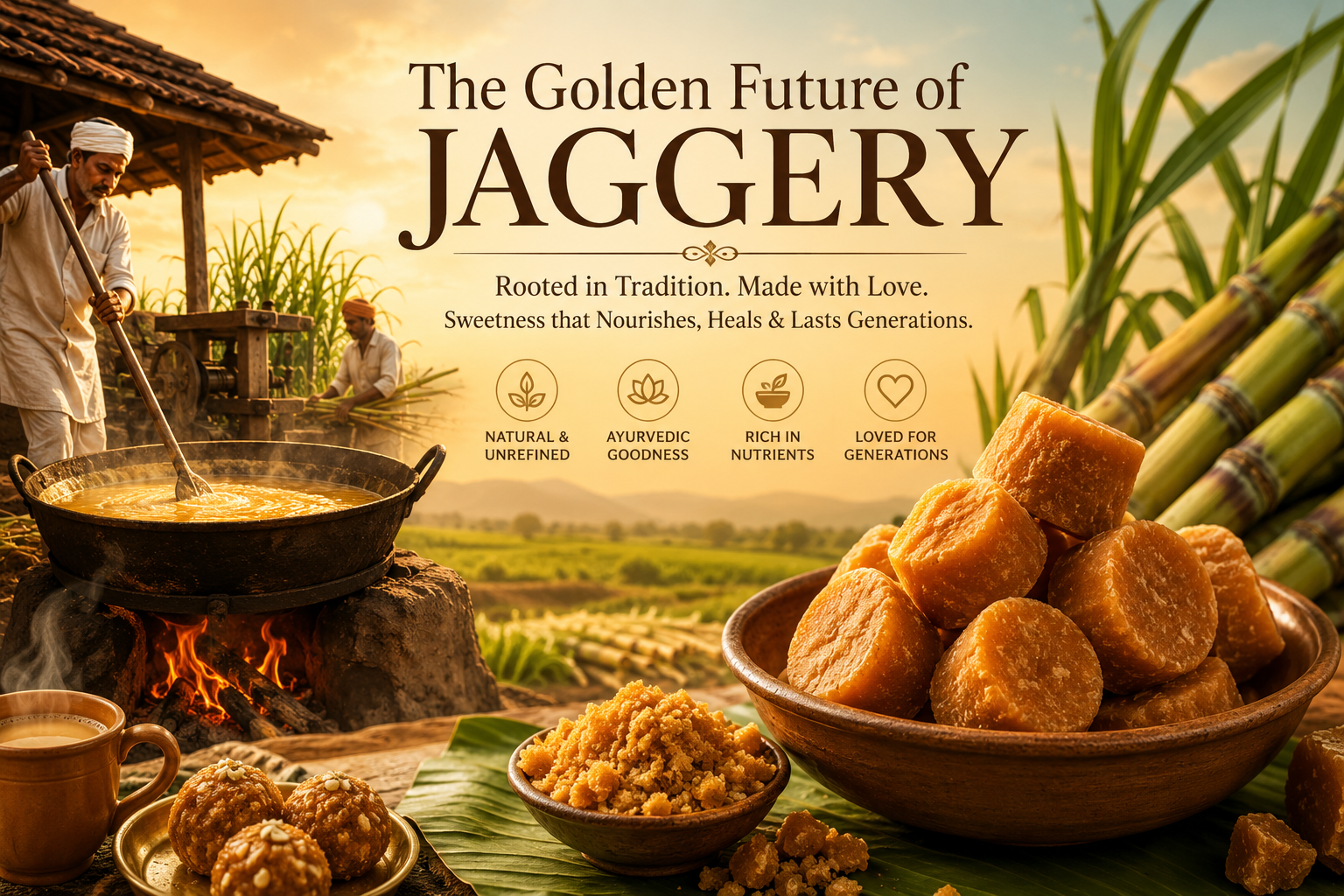
Jaggery is made by crushing sugarcane, clarifying the juice, and boiling it down into a concentrated, unrefined sweetener rich in minerals. When farmers shifted to the high-yield, high-sucrose varieties developed at Coimbatore and extended by later programmes, they could produce more and better-quality jaggery from the same land.
This meant:
- Higher recovery of juice per tonne of cane
- Cleaner, brighter jaggery blocks with better texture
- More income for small farmers and traditional jaggery units in rural India.
Over time, improved cane varieties from this breeding work occupied a major share of India’s sugarcane area, supporting both sugar mills and thousands of jaggery producers.
Jaggery as a Healthier, Traditional Sweetener
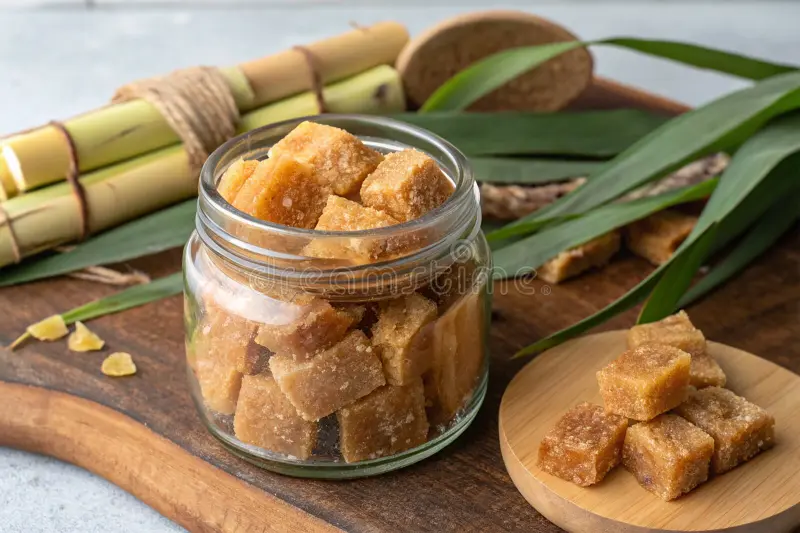
While refined sugar strips away molasses and minerals, jaggery retains iron, calcium, and other micronutrients, making it a staple in many Indian homes. With sweeter, juice-rich canes, producers can focus on gentle processing instead of chemical refining, keeping jaggery closer to its natural, traditional form.
For conscious consumers today, this means:
- A less processed sweetener with trace minerals
- A closer connection to local farmers and regional jaggery traditions
- More value from the same crop for farming communities
Janaki Ammal’s Legacy in Every Block of Jaggery
Even if her name is not on the label, Janaki Ammal’s legacy lives in every block of sugarcane jaggery made from high-yield, high-sucrose Indian varieties. Her science made it possible for India to become a sugarcane powerhouse, but the real sweetness of her work is felt in village gur bhattis, farmer livelihoods, and the continued popularity of jaggery as India’s soulful sweetener.
For a brand or business working with sugarcane jaggery, telling Janaki Ammal’s story is a way to honor science, celebrate women in agriculture, and show customers that every bite carries decades of research, resilience, and Indian ingenuity.