




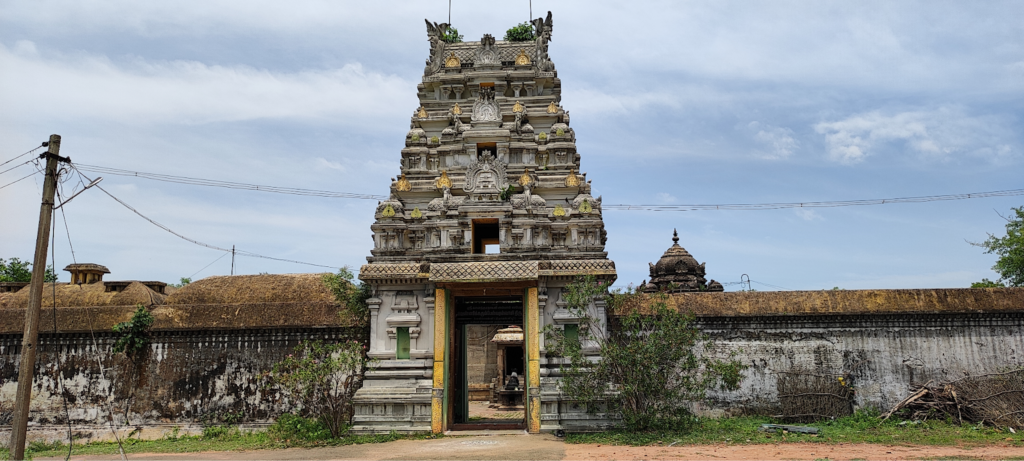
Nestled in the sugarcane-rich plains of Koilvenni near Tiruvarur, Tamil Nadu, the 1,300-year-old Venni Karumbeswarar Temple commemorates Lord Shiva as Karumbeswarar, the “Lord of Sugarcane”, symbolising divine sweetness and healing. This Paadal Petra Sthalam, one of the 275 Shiva temples commemorated in ancient Tamil Saivite hymns by poets Tirugnanasambandar and Tirunavukkarasar, incorporates sugarcane into its rituals, architecture, and mythology as a metaphor of fertility and cure. Devotees travel here for its alleged capacity to relieve diabetes through sugarcane-linked offerings, mixing spirituality with agricultural tradition.
Temple History and the Sugarcane Legend
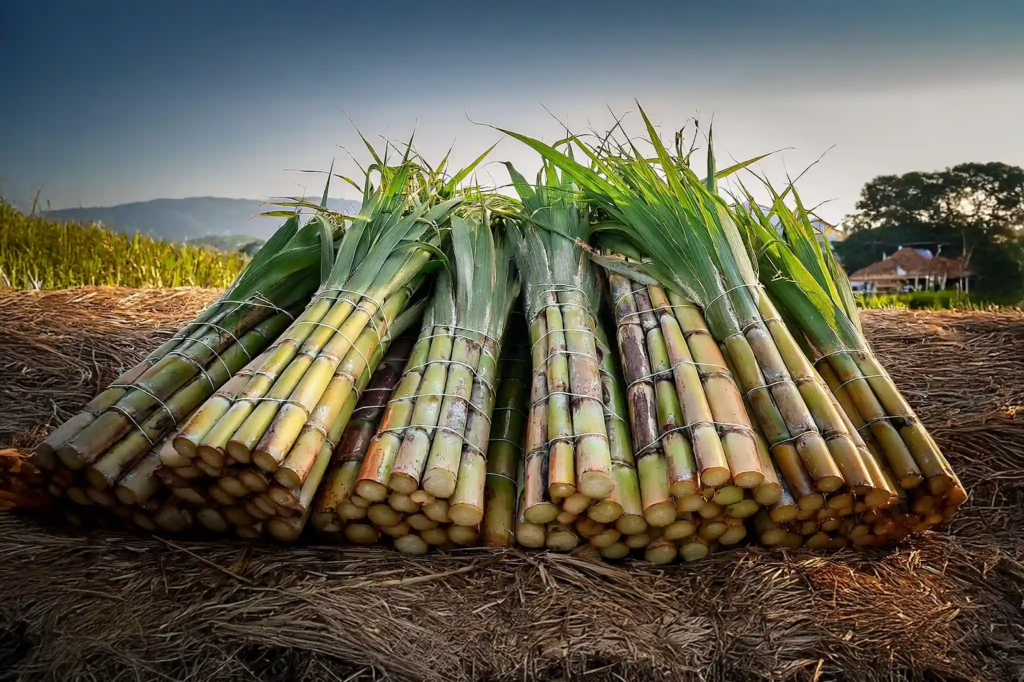
The temple’s heritage dates back over 5,000 years to the Chola period, with repairs by King Karikala Chola following the epic Venni conflict and earlier contributions by Musukunda Chola Chakravarthy. According to legend, when two sages quarrelled over the sthalavriksha (holy tree)—one claiming sugarcane (karumbu in Tamil) and the other Venni (Nandiyavattai)—a divine voice from the heavens affirmed both, revealing a self-manifested Shiva Linga that resembled tied sugarcane stems, signifying the lord’s eternal presence across yugas. Excavations unearthed this swayambhu linga, 36 feet tall to transcend the 36 tatvas (elements of existence), situated deep in the earth amid sugarcane fields, highlighting the crop’s position in the site’s sacred landscape.
Architectural Significance of Sugarcane

The presiding deity’s distinctive Shivalinga, formed like wrapped sugarcane stems, represents Shiva’s fondness for the crop, which villagers believe leaked delicious juice to heal wounds during its uncovering, preventing a hunter’s inadvertent damage. Surrounded by thick sugarcane belts, the temple’s identity reflects the region’s agricultural richness, with the linga orientated eastward from Surya Theertham to summon sun vigour and sweetness. This architecture not only recognises sugarcane’s symbolic fertility—representing prosperity and the sweetness of life—but also incorporates it into the temple’s centre, transforming the crop into a living god attribute.
Sugarcane in Temple Rituals and Beliefs
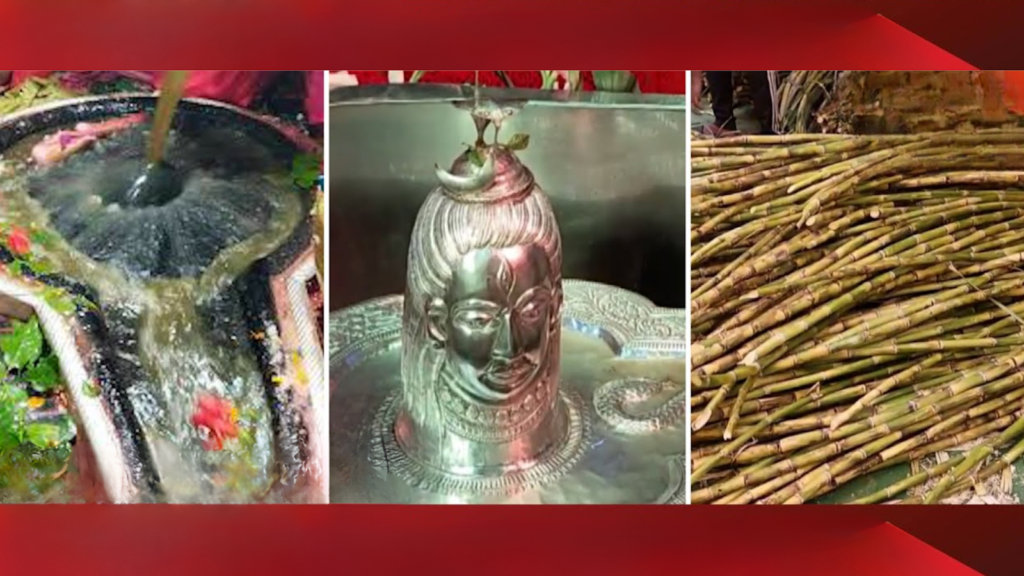
Sugarcane’s spiritual weight shines in rituals where devotees donate rava (semolina) mixed with sugar or jaggery, sprinkling it over the premises for ants to absorb the sweetness, believed to symbolically lessen physical sugar burdens and cure diabetes. Madhumeha-hara pujas (diabetes-removal ceremonies) are accompanied by abhishekam with sugarcane juice and sakkarai pongal (sweet rice). Testimonials include decreasing blood sugar levels after visits; however, faith is a supplement to medical therapy. Following their recuperation, pilgrims return for ghee abhishekam, reaffirming sugarcane’s role as a conduit between healing and devotion, which has its roots in the temple’s purana, where Devasena’s marriage invitation first appeared.
Cultural and Modern Relevance
In Tamil culture, sugarcane means prosperity and joy, reflected in the temple’s festivals where it’s paraded during processions, tying old Shaivite traditions to contemporary wellness quests amid rising diabetes rates. Social media has increased its renown as the “Diabetes Temple”, attracting global pilgrims who blend rituals with optimism, while the site’s sugarcane association promotes eco-spiritual peace in Tamil Nadu’s rural communities. Visiting Venni Karumbeswarar promotes reflection on nature’s blessings, where a basic crop becomes a conduit for divine grace and communal resilience.