


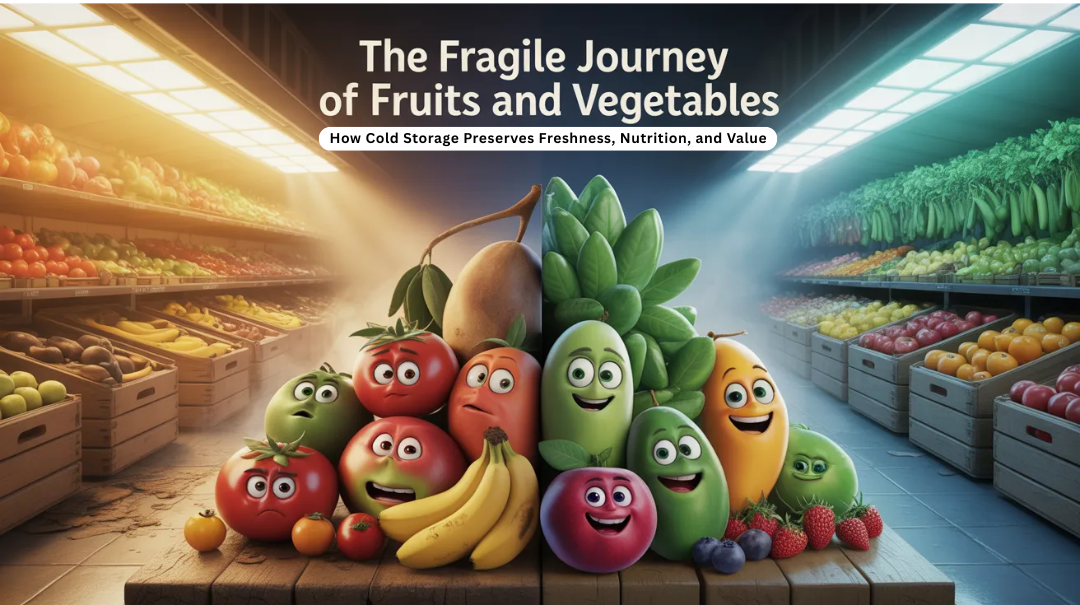
Fruits and vegetables have a shelf life of only a few days or weeks at room temperature due to natural processes such as respiration, microbial growth, and ethylene gas production, which rapidly degrade them in the absence of cold storage. This vulnerability results in significant post-harvest losses, which have an impact on food availability, nutrition, and economic stability for both producers and customers. In a world reliant on seasonal harvests, an awareness of these constraints highlights the critical need for preservation methods beyond simple storage.
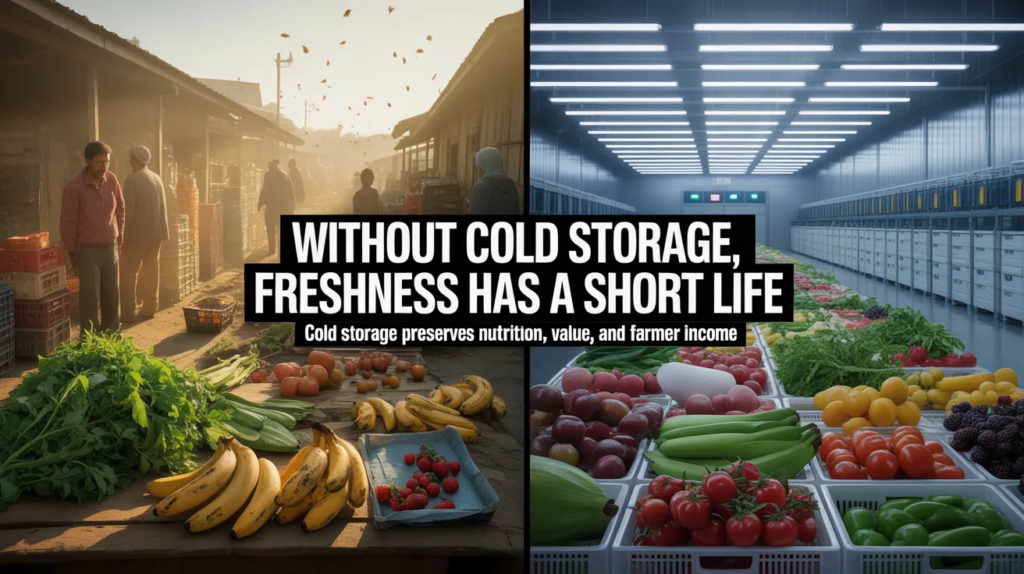
Natural Processes Causing Deterioration of Fruits and Vegetables Without Cold Storage
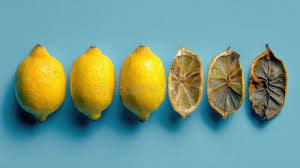
Fruits and vegetables continue to breathe after they have been harvested, absorbing oxygen while emitting carbon dioxide, water vapour, and ethylene, a ripening hormone that accelerates the deterioration of adjacent produce in the absence of cold storage. While bacteria and mould thrive in the moist environment, enzymatic reactions speed up at room temperature (between 20 and 25°C), causing softening, browning, and flavour loss when cold storage is unavailable. Humidity fluctuations without proper cold storage exacerbate issues like leafy greens wilting or root vegetables sprouting, reducing overall quality within hours of harvest.
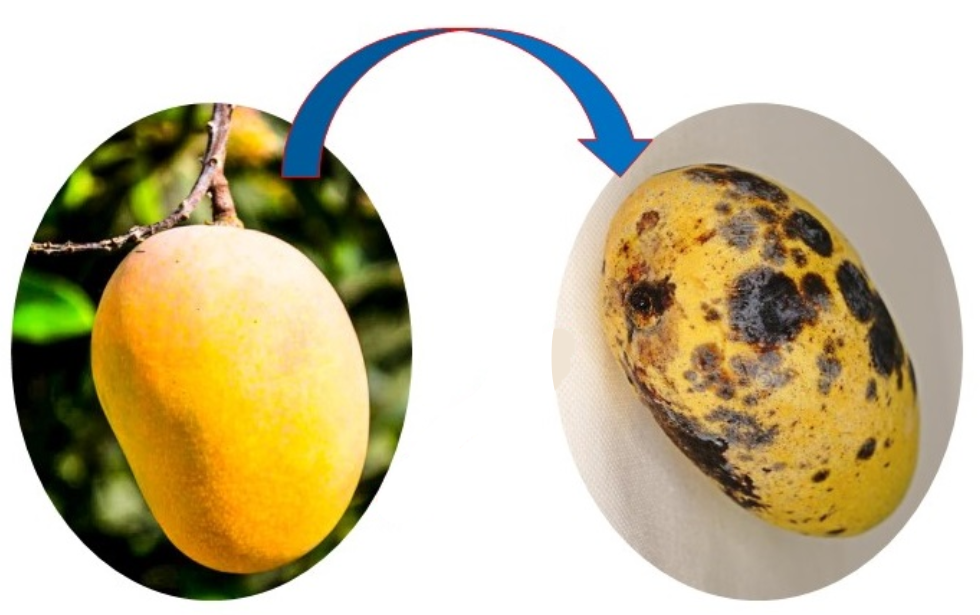
Bananas, for instance, release large amounts of ethylene, causing nearby fruits like apples to ripen prematurely when kept together without cold storage, often leading to uniform spoilage in outdoor markets. Citrus fruits can lose up to 50% of their vitamin C content within one week at room temperature due to biochemical changes that cold storage helps slow down. Heat further intensifies these effects in tropical regions, making produce like berries and tomatoes unfit for consumption within just two to three days without cold storage.
Shelf Life of Common Produce at Room Temperature Without Cold Storage
The lifespan of fruits and vegetables varies by type, but without cold storage or refrigeration, most last only a short time before becoming unfit for human consumption. Onions and garlic can be stored for one to three months in mesh bags with proper air circulation, while hardy root vegetables like potatoes may last two to four months in a cool, dark pantry; however, their shelf life improves significantly under temperature-controlled storage. In dry conditions, carrots and cabbage can be stored for one to two months, but separation from ethylene-producing fruits and access to cold storage help prevent accelerated deterioration.
Delicate produce, however, deteriorates rapidly without refrigeration. Depending on ripeness, berries last only two to four days without cold storage, avocados remain usable for about three days once ripe, and bananas keep for three to seven days. Tomatoes soften within a week when not placed in temperature-controlled storage, cucumbers last just two to three days, and leafy greens such as lettuce wilt within three to five days. Tropical fruits like papayas and mangoes highlight the importance of cold storage, as they ripen at room temperature in three to five days and require immediate consumption without controlled conditions.
Economic and Social Impacts
Lack of cold storage accounts for 20-40% of post-harvest losses worldwide, amounting to billions of dollars in lost value and exacerbating food insecurity in developing countries. While shortages drive up prices off-season, contributing to inflation and malnutrition, farmers deal with gluts during peak seasons, forcing distress sales or dumping—such as tomatoes rotting in fields. For example, inadequate facilities in India cause up to 30% of fruits, including mangoes, to be lost annually, limiting exports and costing the nation millions of dollars.
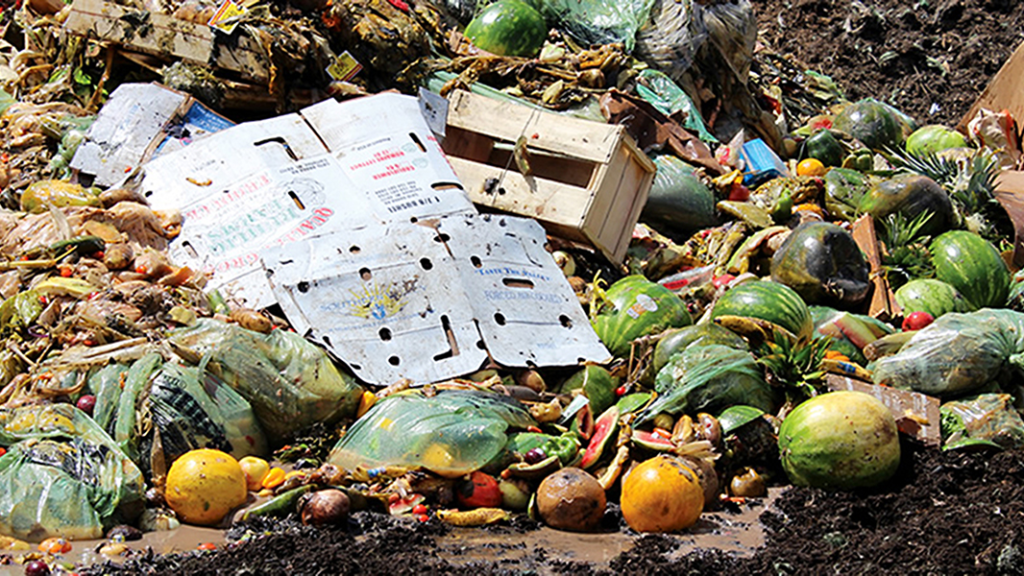
Socially, this vulnerability restricts access to vital nutrients like vitamins A and C found in citrus and carrots. Burdening low-income households with higher prices for scarce fresh produce. Transportation delays worsen spoilage, forcing rural communities to rely on less nutritious alternatives. This inefficiency puts a strain on supply chains around the world. And increasing the need for chemical preservatives or overproduction to compensate for losses.
Strategies for Extending Shelf Life Without Refrigeration
Traditional methods offer only partial solutions for those who do not have access to cold storage facilities. Root cellars or cool, shaded areas extend potato life to 1–6 months by controlling moisture and airflow. After curing at 60–68°F for 1–2 weeks, onions and garlic last 2–3 months in ventilated spaces. To avoid ethylene cross-contamination, group produce carefully: keep apples and carrots separate to prevent sprouting.
People preserve excess produce by drying, canning, or fermenting. Pickled cabbage and sun-dried tomatoes last months in cool pantries without losing nutrients. Home freezing preserves quality for 8–12 months if power is available, but it cannot replace commercial refrigeration. Small-scale methods work, but they cannot match large refrigerated facilities in preventing waste.
The Imperative for Better Preservation
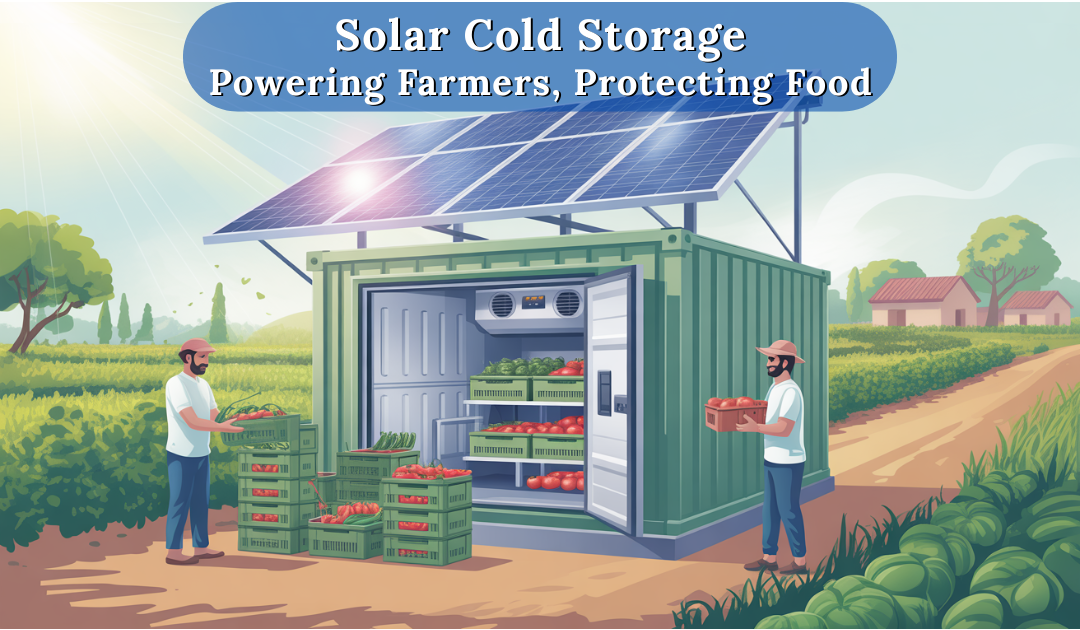
Without cold storage, fruits and vegetables spoil quickly and suit only seasonal, local consumption, increasing waste and inequality. Relying on ambient conditions becomes impractical as populations grow and temperatures rise. We need accessible solutions like solar-powered units or community storage hubs. Using these innovations keeps tables stocked with fresh, nutrient-rich produce, supporting health and local economies long after harvest.
Devanhaar Technologies offers sustainable cold storage solutions to reduce post-harvest losses.