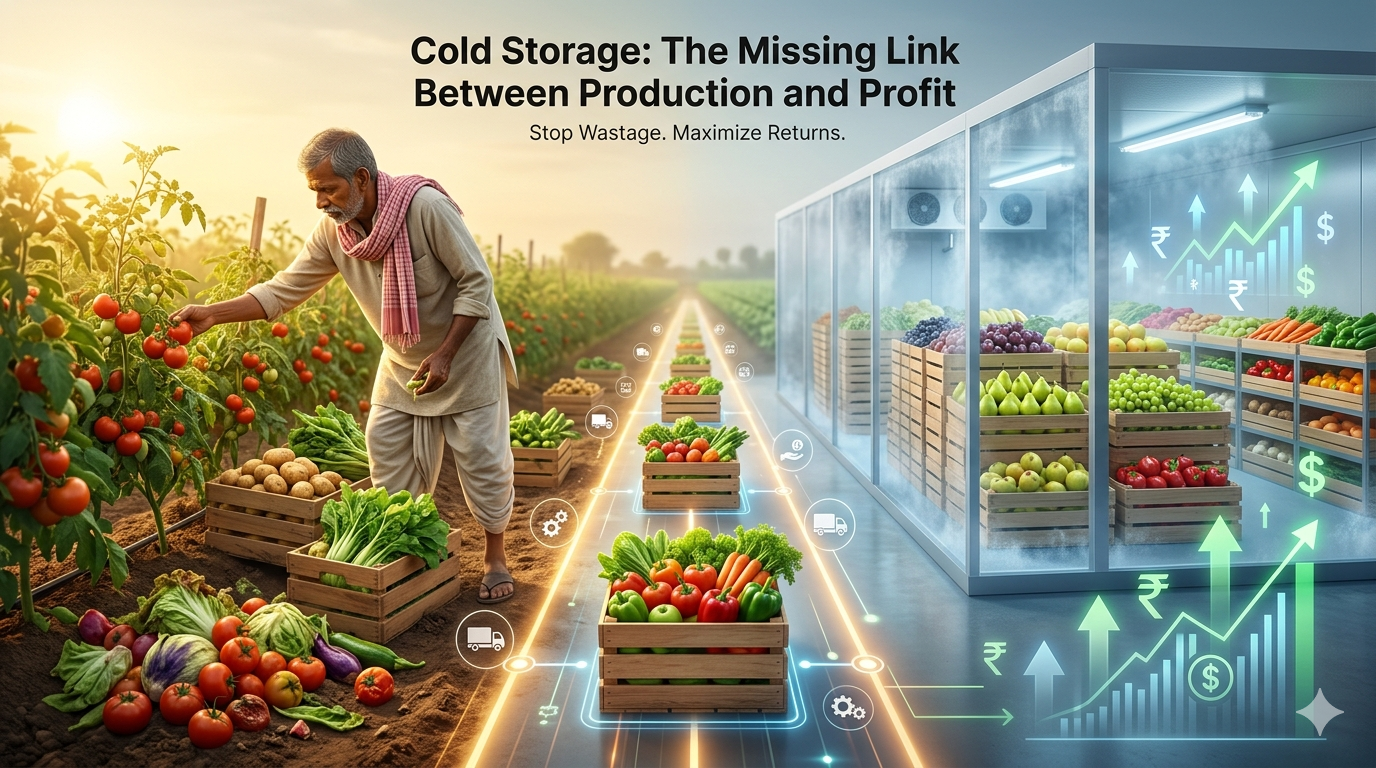



India is one of the biggest producers of fruits and vegetables in the world, but a sizeable portion of this produce never makes it to consumers, creating a serious paradox. Fruit and vegetable post-harvest losses are between 20 and 30 per cent, or almost ₹1 lakh crore a year. The lack of suitable cold storage and cooling infrastructure at the farm level, as well as the availability of crops, are significant contributors to this loss.
Perishable crops such as tomatoes, potatoes, and onions are particularly at risk. While tomatoes and onions deteriorate quickly in ambient temperatures between 30 and 40°C, which are typical in most of India, potatoes can lose 10 to 15% of their volume if improperly stored. Farmers are forced to sell right after harvest, frequently at low prices, due to the lack of decentralised cooling. In addition to lowering farmer income, this increases carbon emissions throughout the supply chain and wastes food needlessly.
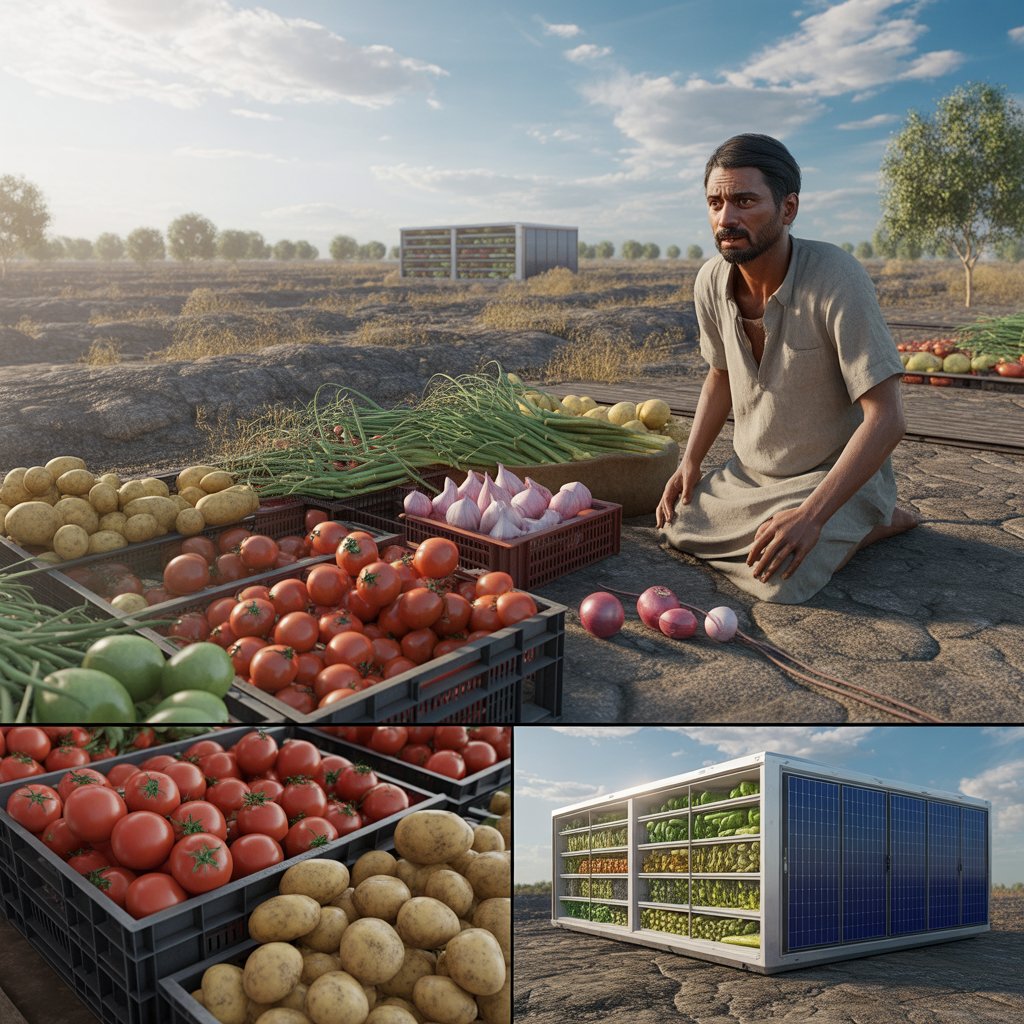
Solar-powered cold storage at the farm level
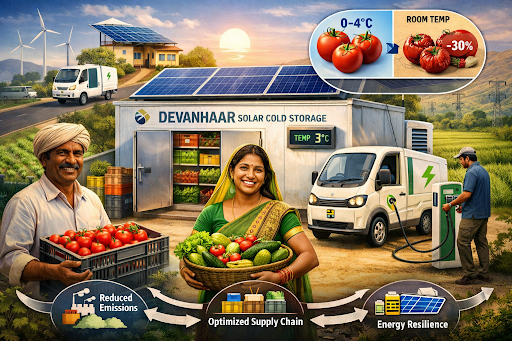
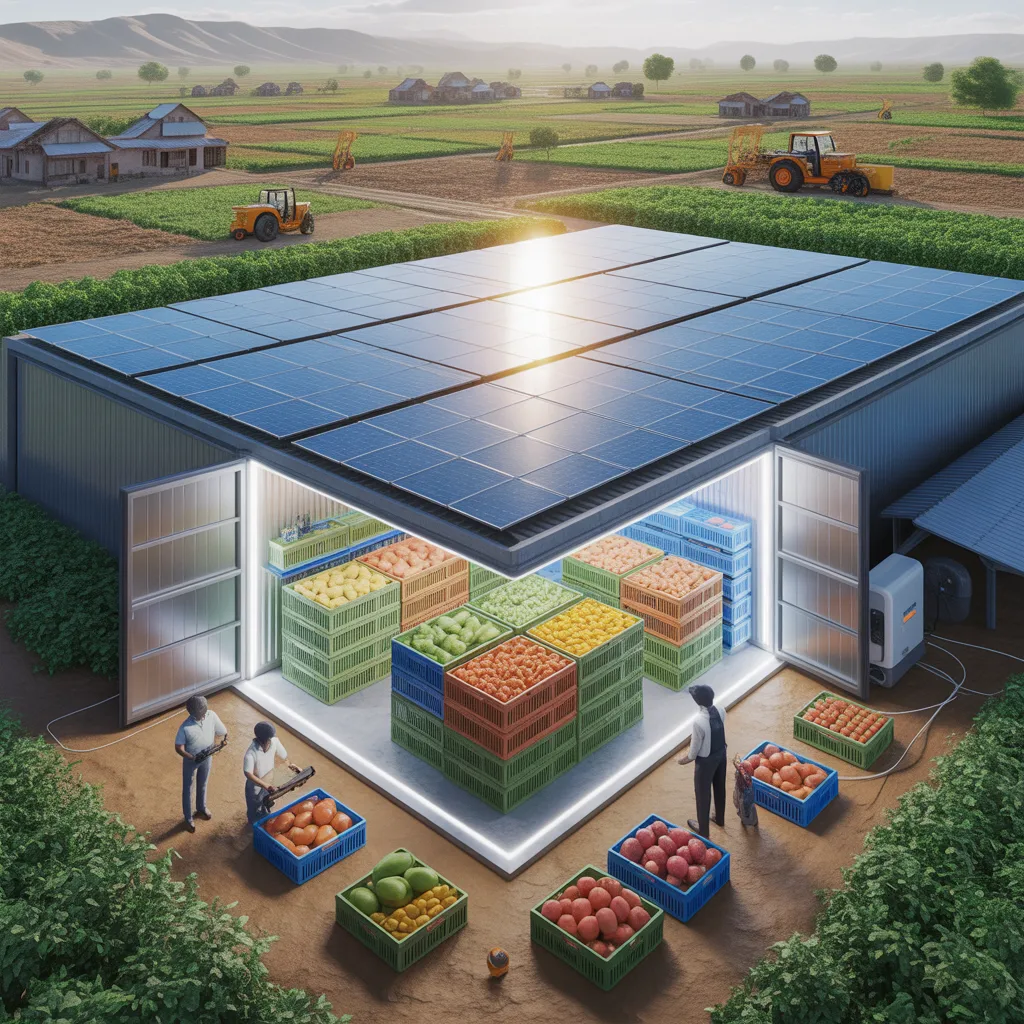
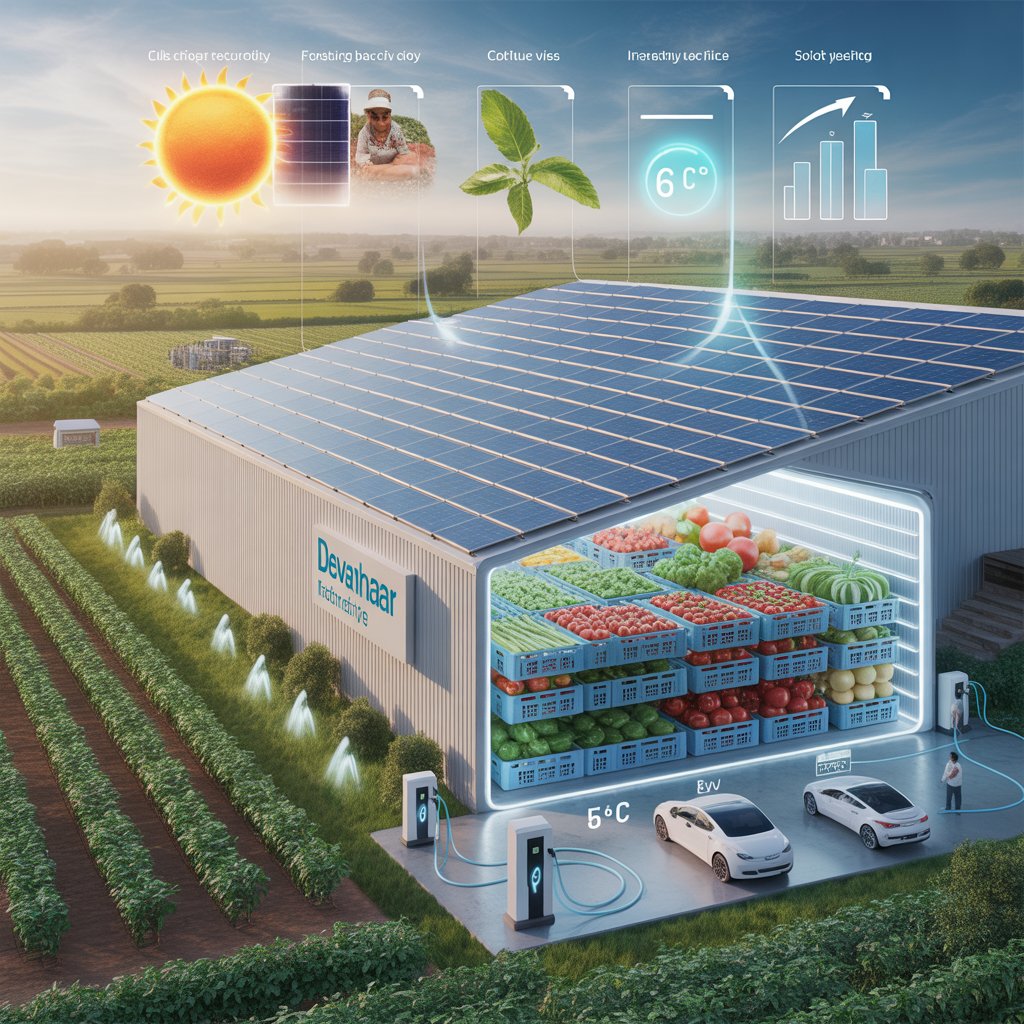
Cold storage directly addresses the source of the problem by allowing for on-site preservation. Instead of relying on unreliable grid power or diesel generators, these systems use abundant solar energy to keep fruits and vegetables at optimal storage temperatures, which are typically between 0 and 4 degrees Celsius. This significantly extends shelf life while preserving nutritional value. For example, when tomatoes are stored at room temperature, vitamin C levels drop by nearly 30% per week, whereas controlled cooling significantly slows nutrient degradation. Solar cold storage preserves produce at the farm gate, reducing emergency transportation to distant markets, fuel consumption, and associated emissions. A mid-sized 50-tonne solar cold storage unit can prevent 10-15 tonnes of produce waste and reduce CO₂ emissions by over 100 tonnes per year. These reductions are comparable to significant carbon sequestration benefits, demonstrating the technology’s environmental impact.
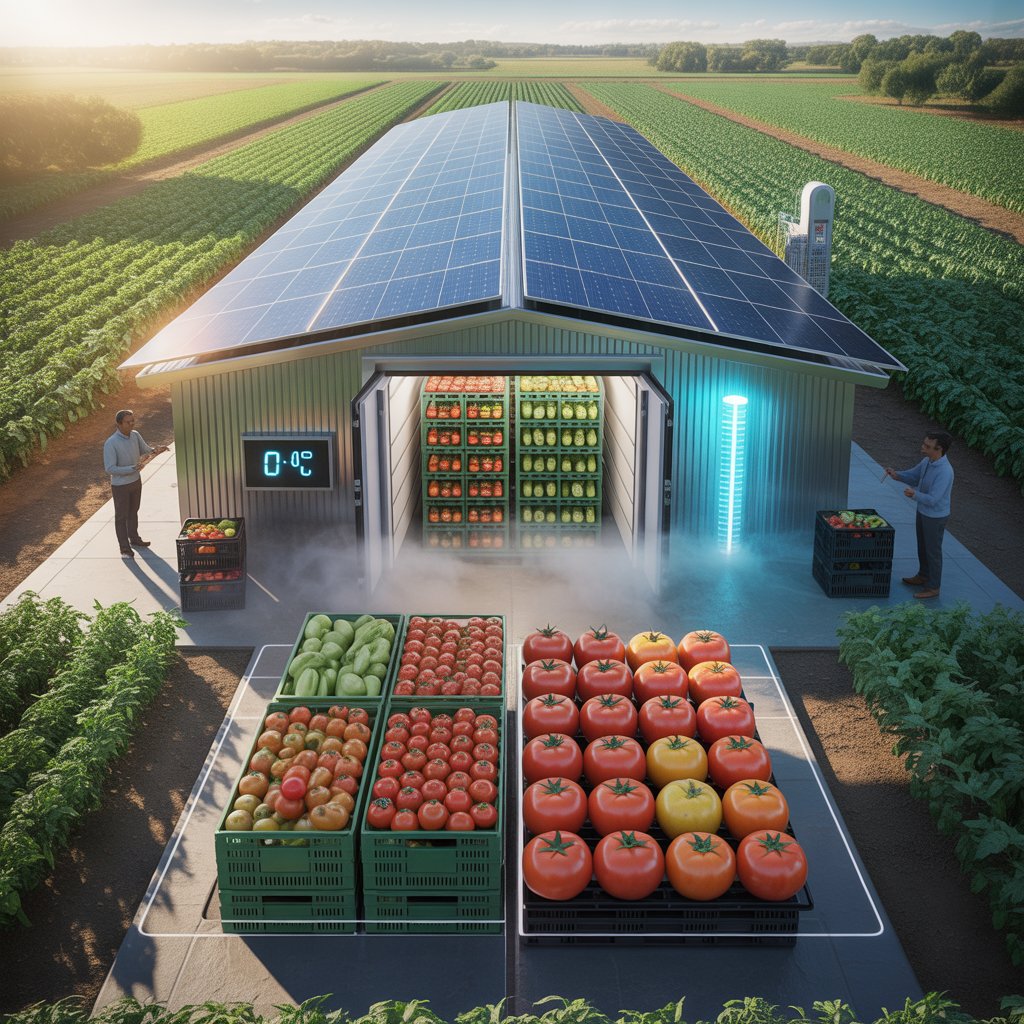
Alignment with India’s Renewable Energy Goals
India has set an ambitious goal of achieving 500 GW of renewable energy capacity by 2030 and net-zero emissions by 2070. Solar cold storage systems strongly support these national commitments. They incorporate clean energy into agriculture, one of the country’s most energy-intensive and environmentally sensitive industries. Government support strengthens adoption even more. Farmers can receive subsidies covering 30-50% of system costs through programmes like PM-KUSUM, making technology more accessible to small and marginal farmers. Since 2010, solar panel prices have fallen by nearly 80%, making decentralised solar infrastructure more economically viable.
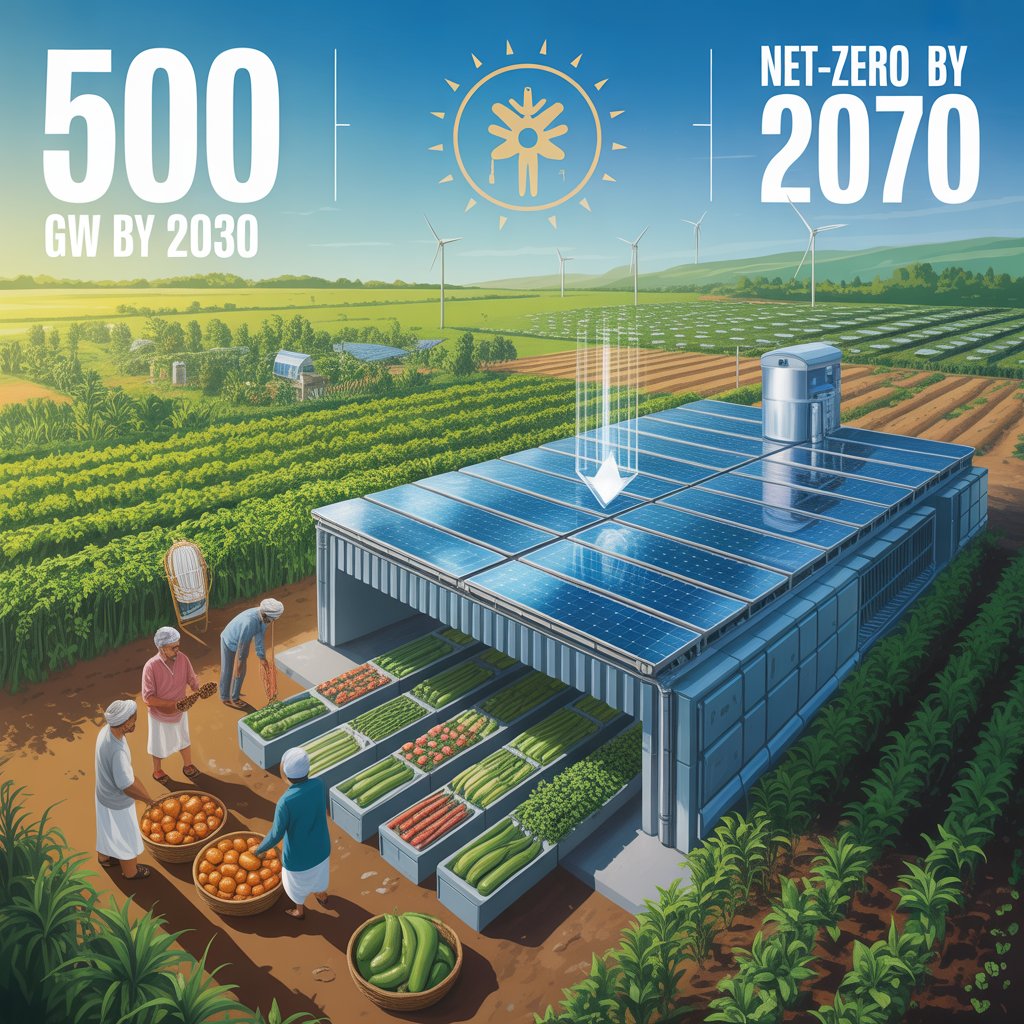
Economic and Operational Challenges
Despite the obvious benefits, certain barriers remain. Mid-sized solar cold storage units can cost more than ₹50 lakh, making them a significant investment for rural entrepreneurs and farmer producer organisations. Access to affordable financing and awareness of long-term savings are critical for widespread adoption.Operational challenges do exist. Dust accumulation on solar panels can reduce system efficiency by 10-15% if not cleaned on a regular basis. In rural India, where dust levels are often high, maintenance planning is critical. However, modular system designs allow for capacity expansion over time, allowing for gradual scaling in response to demand and financial capability.
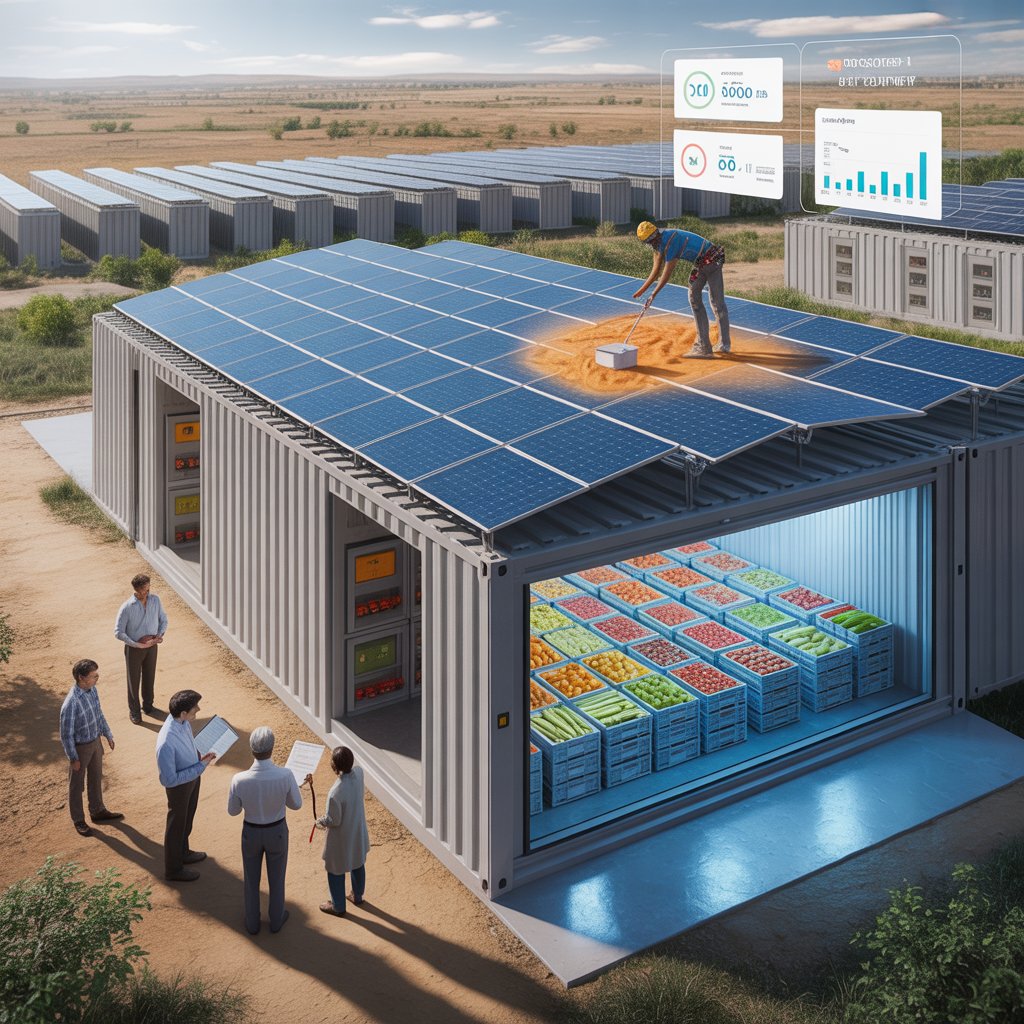
Circular Benefits and Long-Term Sustainability
Aside from direct preservation benefits, solar cold storage generates broader sustainability gains. Surplus electricity generated during peak sunlight hours can be used to power village microgrids, irrigation systems, and even electric vehicle charging stations. This increases the carbon offset potential of each installation.Most importantly, reliable cold storage improves food security in the face of climate variability. As heatwaves and unpredictable weather patterns worsen, decentralised cooling allows farmers to protect their harvests from spoilage. By stabilising supply, it reduces price fluctuations in urban markets.In essence, Devanhaar Technologies’ solar-integrated cold storage strategy demonstrates how targeted renewable energy solutions can help decarbonise India’s agricultural cold chain. The model increases farmer income, reduces emissions, and strengthens climate resilience by focusing on fruits and vegetables, India’s most perishable and nutritionally critical crops. At a national scale, such systems can simultaneously address food preservation. needs and environmental imperatives, contributing significantly to India’s sustainable development goals