


India’s agricultural sector is experiencing a silent crisis as post-harvest losses for vegetables and fruits exceed 20-30%, resulting in an annual economic loss of ₹1 lakh crore. Crops such as potatoes, onions, tomatoes, mangoes, and apples spoil quickly in ambient temperatures ranging from 30 to 40 degrees Celsius. Traditional cold storage, which relies on coal-fired grids or diesel generators, exacerbates the problem by emitting high levels of pollution and experiencing frequent failures. Devanhaar Technologies emerges as a game changer, deploying solar-powered cold storage systems that can cool to -4°C using only solar energy. By cutting ties with fossil fuels and unstable electricity, these solutions reduce carbon footprints while strengthening India’s agricultural cold chain against rural power outages.
Engineering Resilience for On-Farm Reliability
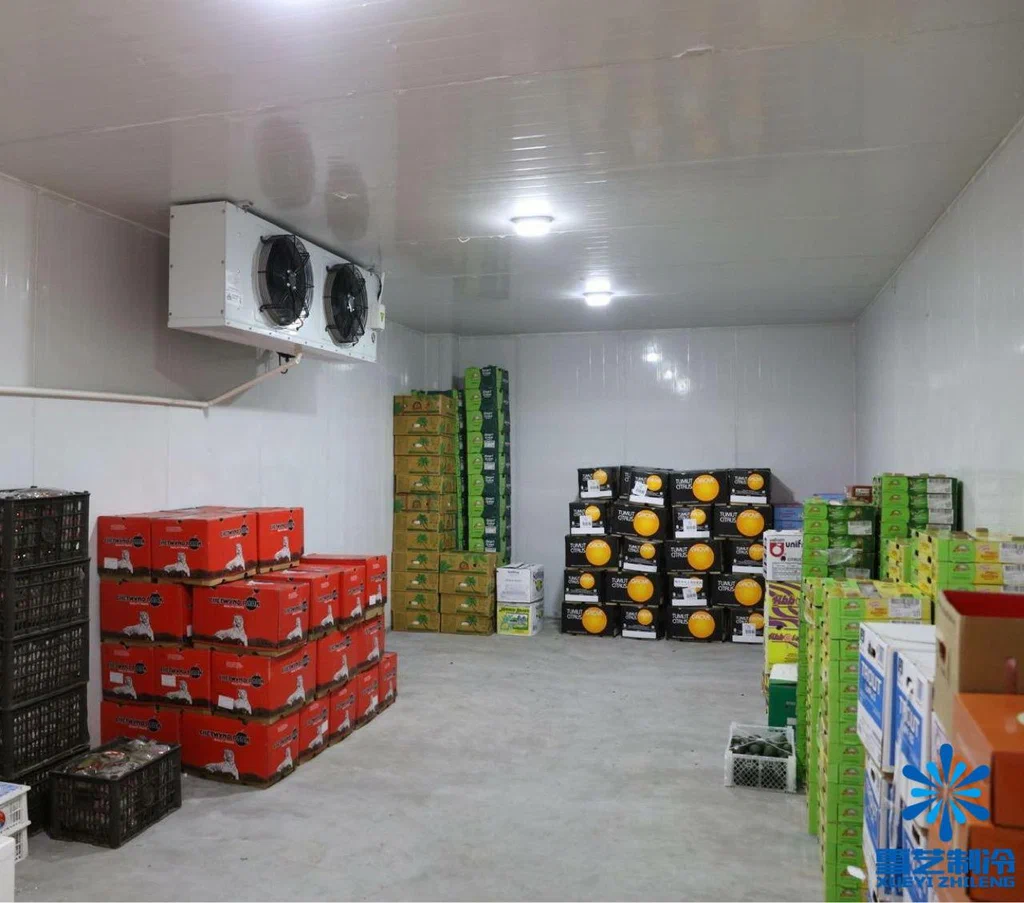
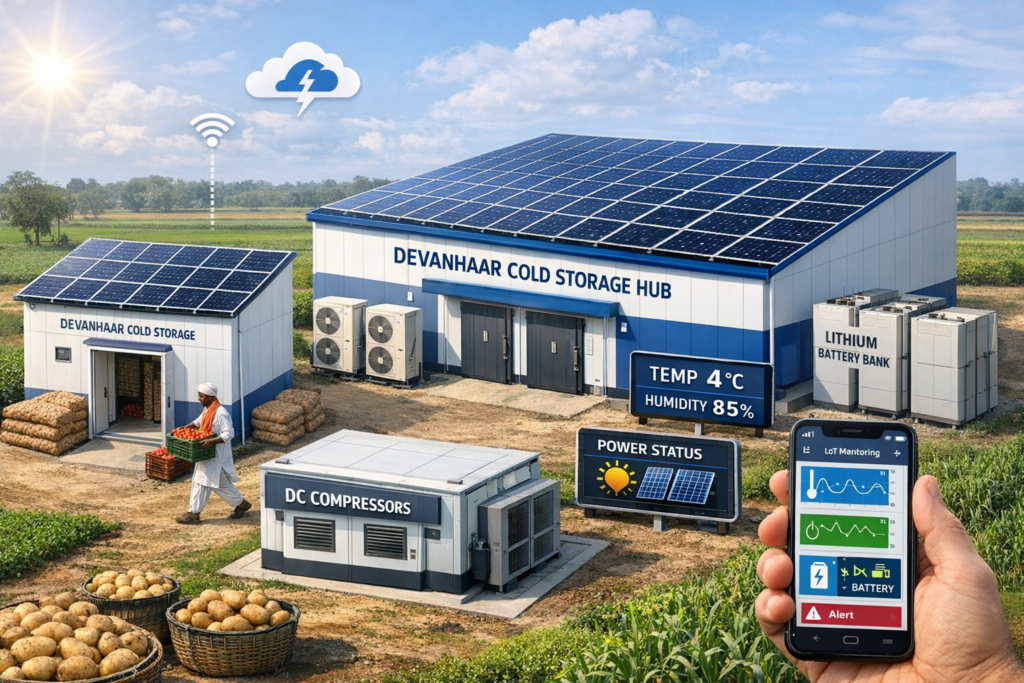
At the heart of Devanhaar’s innovation is a meticulously designed architecture specifically for Indian farms. Small on-site units can hold 50-250 tonnes, while commercial hubs can hold 500-2,000 tonnes. High-efficiency photovoltaic panels indirectly power DC compressors housed in thickly insulated enclosures made of polyurethane foam (PUF) panels. These systems thrive on India’s solar bounty, averaging 4-7 kWh/m² daily and producing surplus electricity even in variable weather conditions.
Lithium-based battery backups can provide up to 10 days of autonomous operation during prolonged cloudy periods, making them a lifeline in areas such as Uttar Pradesh and Bihar, where daily outages last more than 10-15 hours. For high-value crops, the units maintain optimal 0-10°C temperatures with precise humidity control, extending shelf life by up to 10 days. This eliminates the 10-15% losses associated with potatoes alone, while IoT integration enables real-time remote monitoring to fine-tune energy use and avoid spoilage. Such off-grid prowess transforms remote farm sheds into steadfast fortresses of preservation.
Decarbonization at Scale: From Emissions to Economic Payback
Coal plants emit 0.8-1 kg CO₂ per kWh, while diesel generators add 0.7-1 kg CO₂ per kWh during backups, powering India’s over 7,000 cold storage facilities. Devanhaar disrupts this cycle with zero-emission solar PV during peak sunlight, combined with low-draw storage. What was the result? Compared to conventional setups, emissions are reduced by 80-90%. Natural refrigerants such as R290 replace high-global-warming-potential HFCs (GWP > 1,000), reducing indirect emissions by an additional 10-20%.
Consider a mid-sized 100-tonne unit: its 200,000-300,000 kWh annual needs equate to 160-300 tonnes of CO₂ under grid or diesel reliance—completely offset by on-site solar generation, often with excess for export. In sun-drenched states like Rajasthan or Gujarat, panels produce 1,500-2,000 kWh per kW installed annually, easily exceeding cooling demands. Lifecycle analyses confirm a payback period of 3-5 years, followed by 20-25 years of net positive carbon savings. A 50-tonne installation can reduce CO₂ emissions by 100+ tonnes per year and produce waste by 10-15 tonnes, demonstrating improved natural sequestration.
Navigating Challenges in High-Impact Deployment
Mid-size units require an initial capital outlay of around ₹50 lakh, and dust accumulation can reduce panel efficiency by 10-15% if not cleaned regularly. However, modular designs allow for phased scaling, and PM-KUSUM subsidies that cover 30-50% of costs democratise access for smallholders. Solar prices have fallen by 80% since 2010, accelerating the return on investment. These systems avoid traditional pitfalls such as diesel truck emissions and grid expansion strains, establishing themselves as practical enablers of India’s 500 GW solar target by 2030 and net-zero pledge by 2070.
Unlocking Broader Agricultural Value and Resilience
Beyond preservation, Devanhaar promotes circular gains. Surplus daytime electricity powers village microgrids or electric vehicles, amplifying offsets in rural ecosystems. Consistent 0-4°C storage protects nutrients, such as vitamin C in tomatoes, which drops by 30% weekly at room temperature, bolstering food security in the face of climate volatility. By reducing transport-related emissions through farm-gate cooling, these units stabilise supply chains and provide farmers with market timing flexibility, preventing produce from oversupply.
In essence, Devanhaar Technologies exemplifies targeted solar integration for decarbonising India’s agri-cold chain. It is optimised for vegetables and fruits and increases resilience to energy uncertainties and weather extremes, scaling nationally to align preservation imperatives with emission goals. As rural infrastructure, it heralds a future in which solar cold storage drives both sustainability and prosperity.