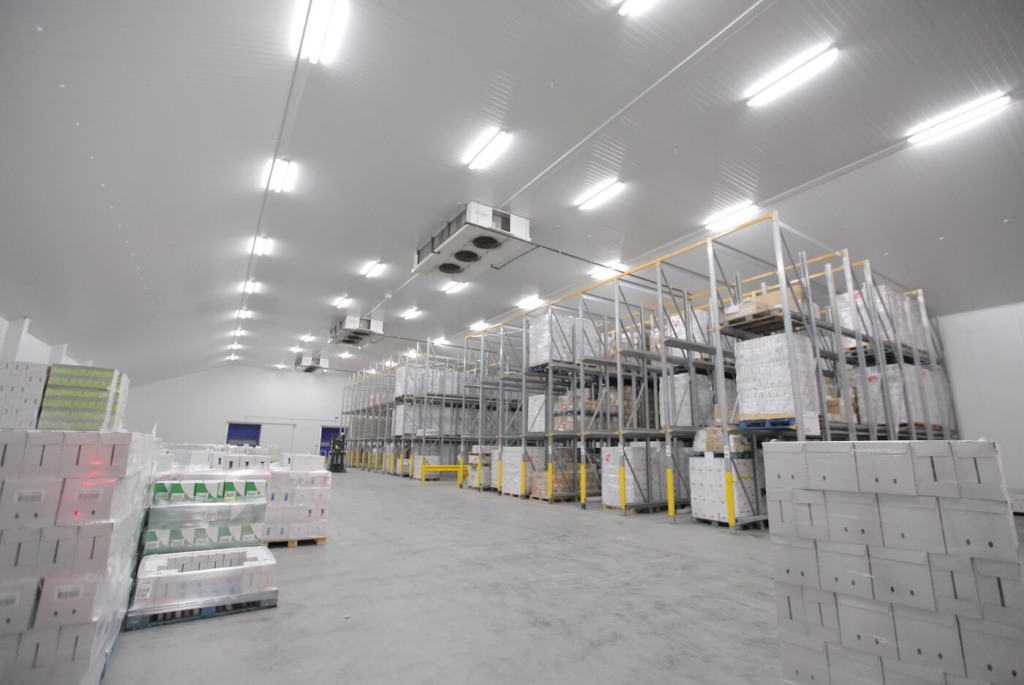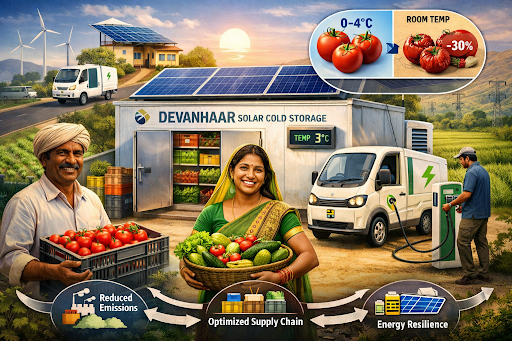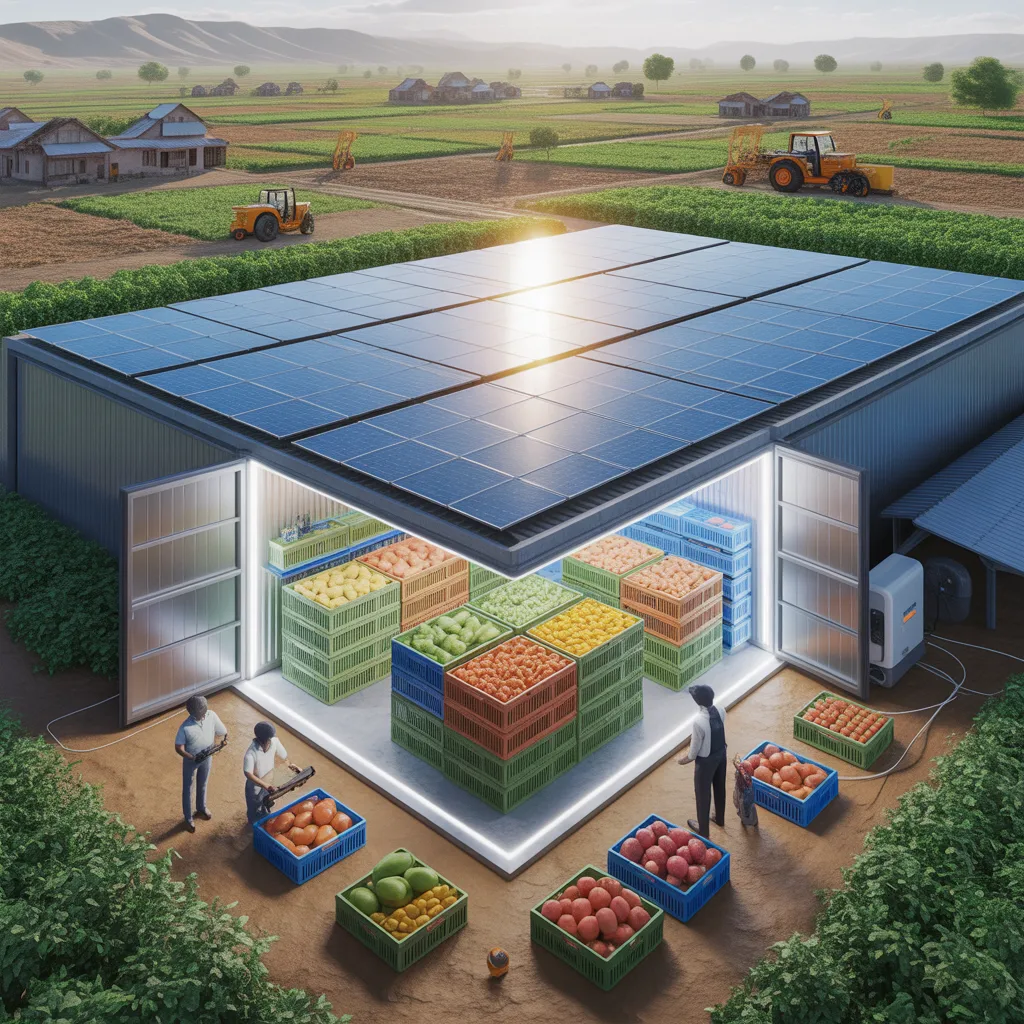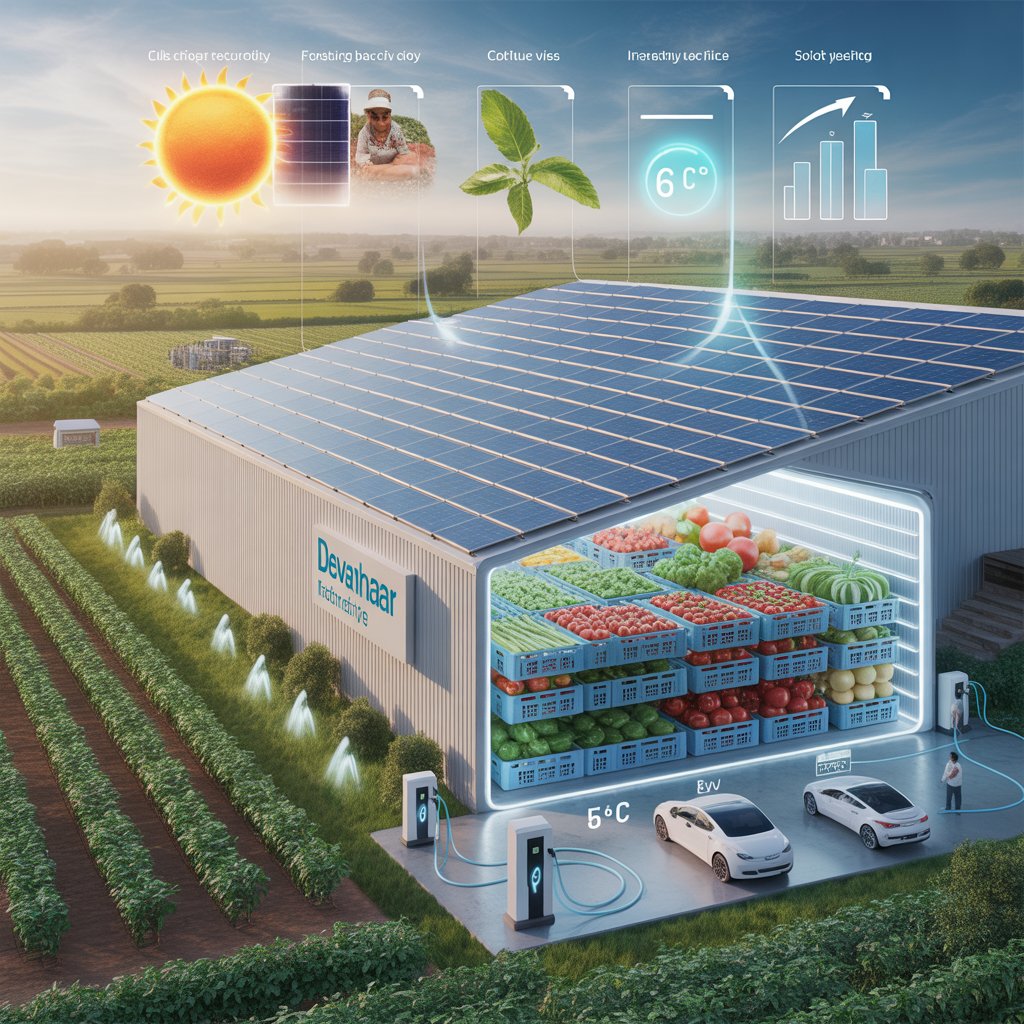



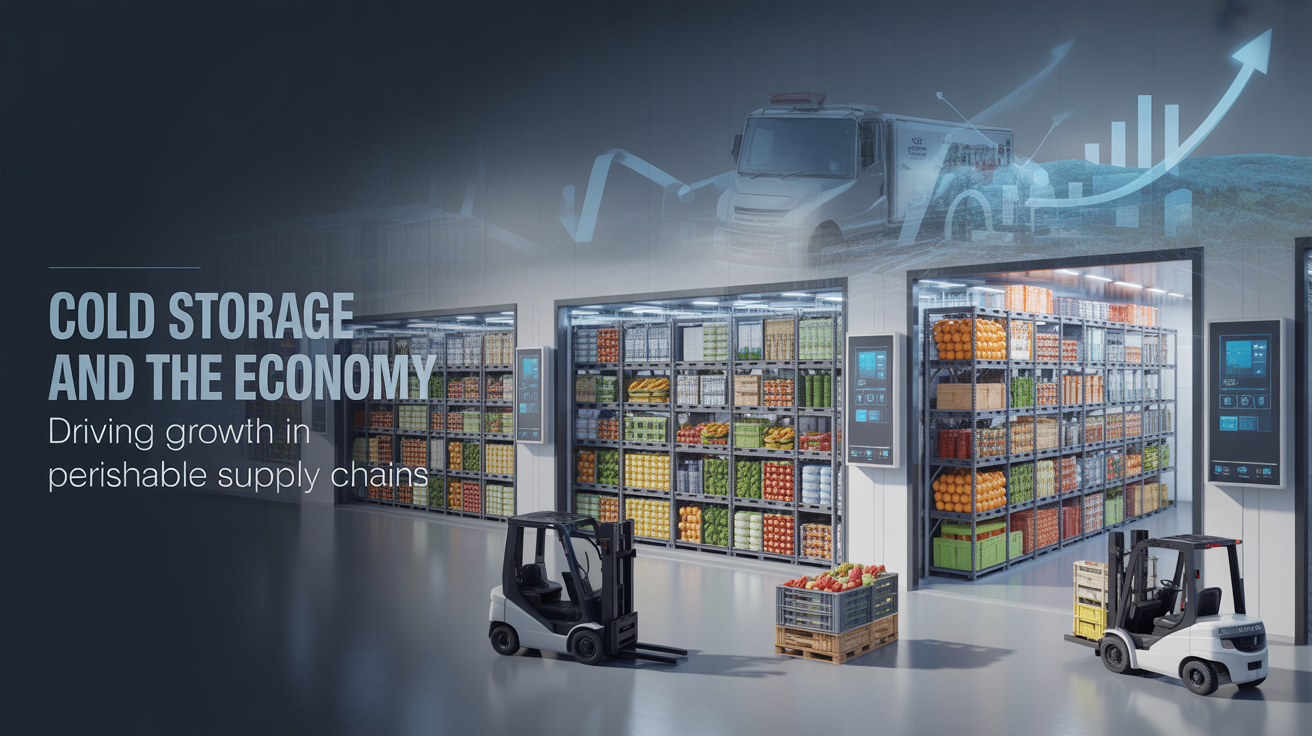

Cold storage facilities are critical to the global economy because they allow for the preservation and transportation of temperature-sensitive goods, reduce waste, and keep pricing for important commodities like food and pharmaceuticals stable. The global market for cold storage, estimated at USD 159.7 billion in 2024, is expected to increase at a compound annual growth rate (CAGR) of 18.1% to reach USD 427.6 billion by 2030. This growth will be driven by the spread of e-commerce and the growing demand for fresh and frozen goods as cities become more populated. In addition to reducing post-harvest losses, this infrastructure promotes trade, creates jobs, and aids in regionally sustainable economic growth.
Economic Growth Through Market Expansion
The cold storage sector contributes significantly to GDP by enhancing the efficiency of supply chains for perishables, which account for a substantial portion of agricultural and pharmaceutical trade. In India, the food trade market supported by cold storage was worth USD 866 billion in 2022, with projections for the overall food market to grow 47% to USD 1,274 billion by 2027, driven by improved storage that reduces spoilage and enables exports. Globally, the sector’s rapid expansion—particularly in Asia Pacific, expected to grow at a CAGR of 11.86% from 2025 to 2034—stems from organised retail penetration and rising disposable incomes, allowing consumers access to year-round fresh produce and boosting related industries like logistics and packaging.
This growth creates ripple effects, with cold storage facilities often serving as hubs for value addition through sorting, grading, and packaging, which can increase farm-gate prices by 22% to 166% depending on the crop, such as grapes or potatoes. In the U.S., the market alone is anticipated to hit USD 119.02 billion by 2034 at a CAGR of 9.85%, underscoring how infrastructure investments amplify economic output in developed economies.
Job Creation and Employment Opportunities
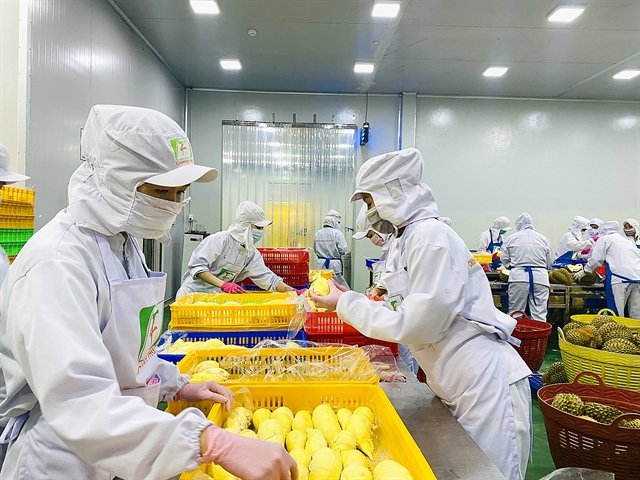
Cold storage operations generate direct and indirect employment, supporting rural and urban economies while addressing labour needs in agriculture-heavy regions. In India, a single cold storage unit typically creates 5 to 15 permanent jobs, plus 33 seasonal labourers for 101 days annually in tasks like loading and sorting, with indirect roles in logistics adding 100-150 positions per facility. Government-backed initiatives, such as those funding 426 projects worth Rs. 162.2 crore, have led to over 4,260 permanent jobs and 14.19 lakh mandays of work, while benefiting 1.53 lakh farmers and 1,278 traders through better market access.
On a broader scale, the sector’s expansion in North America, which held 35.45% of global revenue in 2024, sustains thousands of roles in warehouse management, refrigeration maintenance, and transportation, contributing to workforce stability in logistics. These jobs often require skilled labour, promoting training programmes that enhance employability and reduce unemployment in perishable goods-dependent economies.
Reduction in Waste and Cost Savings
By curbing post-harvest losses, cold storage delivers substantial economic savings, preventing the disposal of goods worth billions annually and allowing producers to capture higher market values. Worldwide, these facilities reduce losses by 30% to 60% for crops like fruits and vegetables, translating to avoided costs in production and transportation while enabling off-season sales that stabilise prices and prevent gluts. In India, closer proximity of storages—reducing farmer travel from 12 km to under 5 km—cuts logistics expenses and time, empowering smallholders to diversify into high-value horticulture crops.
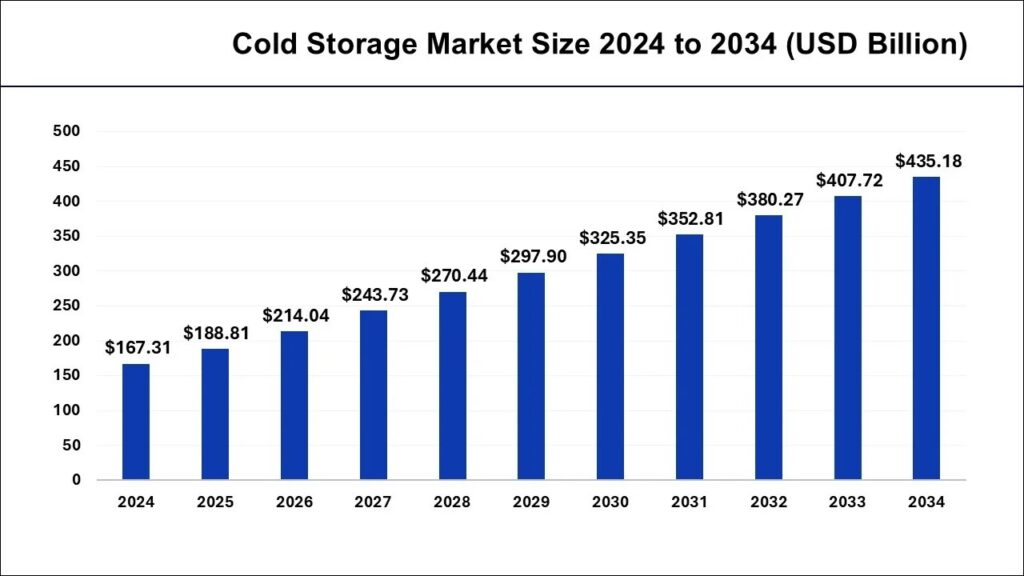
Economically, this efficiency lowers food inflation and supports food security; for instance, potato storages yield a 54% price increase post-storage, while global projections show the sector saving USD 167.31 billion in value by 2034 through minimised waste. Such impacts extend to pharmaceuticals, where precise temperature control ensures product efficacy, avoiding recalls that could cost millions.
Regional Impacts and Global Trade
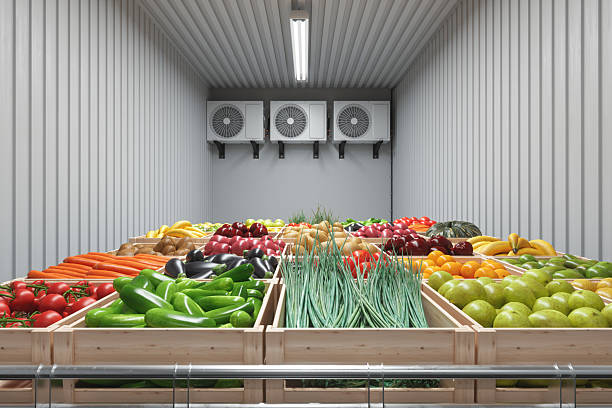
Regionally, cold storage bolsters economies by facilitating international trade and mitigating climate risks to agriculture. North America dominates with a 34.1% global share in 2024, driven by advanced facilities near ports that streamline exports of frozen seafood and dairy, valued at over USD 59 billion in regional market size. In Asia Pacific, rapid urbanisation and e-commerce for groceries propel growth, with India’s cold chain market reaching INR 1,81,490 crore in 2022, supported by subsidies that encourage private investment exceeding Rs. 2,168 crore.
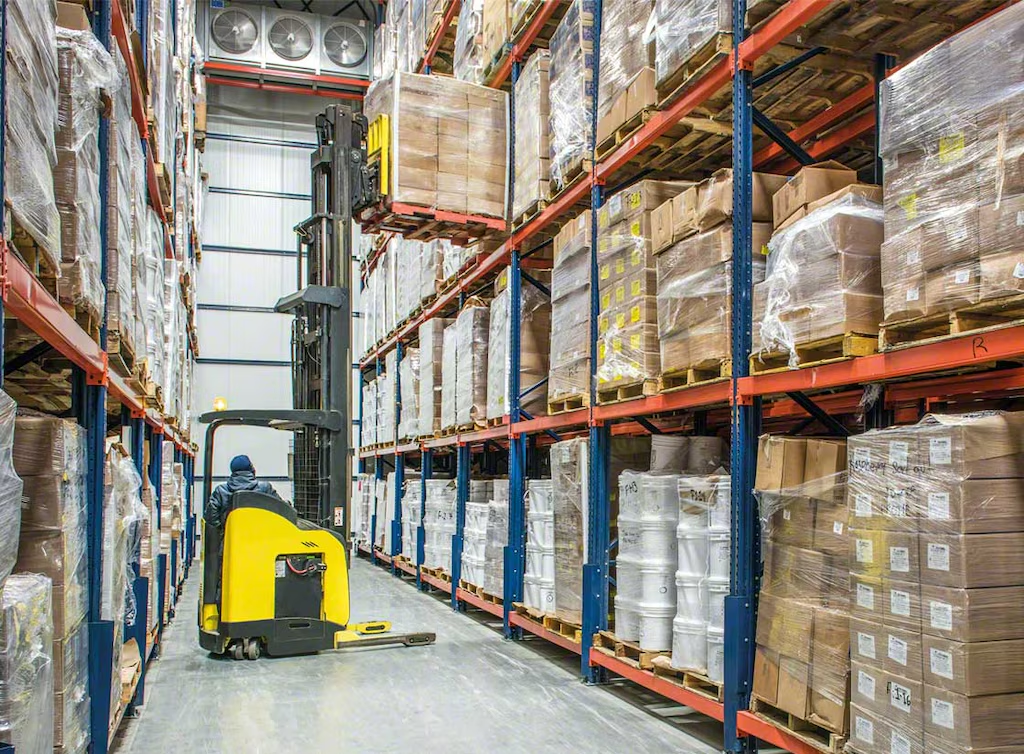
Europe’s market, projected to reach USD 109.82 billion by 2034 at a 10.87% CAGR, benefits from EU policies promoting sustainable cold chains, enhancing trade in perishables like wine and cheese. Globally, these facilities enable diversification, with backward linkages aiding 360 farmers per unit and forward integration into retail, fostering resilient economies against seasonal disruptions.
Challenges and Future Economic Prospects
High initial costs—often over USD 1 million for setup—and energy demands (25% of operational expenses) pose barriers, particularly in developing regions with unreliable grids. However, innovations like solar-powered systems and automation are lowering barriers, with return on investment reaching 19.9% for specialised units like grape storages. Future growth, projected at USD 435.18 billion by 2034, will hinge on green technologies and public-private partnerships, ensuring cold storage continues to drive inclusive economic progress.